Stop undercharging. Build a photography business you're proud of.
A forty-five minute diagnostic call with Jeremy Price. Built around your business, your pricing, your clients. You leave with three specific changes you can implement in the next ninety days. No pitch. No script. No junior setter.
Most UK photographers are running a business that quietly doesn't work.
The numbers don't lie. The average UK wedding photographer charges less today, in real terms, than they did fifteen years ago. The average portrait photographer makes a fraction of what their work would suggest. The talent is extraordinary. The business behind the talent is broken.
If any of this sounds familiar, the call is worth booking.
- You're booking work, but the numbers never quite add up at the end of the month.
- You've watched peers charge double for similar quality work, and you can't explain why.
- Pricing conversations feel like the hardest part of the job, so you avoid them.
- You've tried discounting, posting more, and following the latest marketing advice. None of it stuck.
- A quiet month leaves you wondering whether the financial pressure is ever going to ease.
- You're tired. Burnt out from working hard, for too little, for too long.
- You've thought about giving up the photography business and going back to a salary.
Your clients aren't paying for photos. They're paying for what those photos will mean in twenty years.
The reason most photographers are stuck competing on price is structural. They're selling the wrong thing. Digital files are commodities. Anyone with a phone has thousands of them. They get lost in the cloud, forgotten in folders, never looked at again.
Printed photographs are the opposite. They are the thing a family reaches for when something matters. They are the heirloom that outlasts the wedding, the relationship, the lifetime. They are not a commodity. They cannot be priced like one.
Once you understand how to build a photography business around what photographs really do, the pricing conversation changes. The client conversation changes. The business changes.
This is the framework behind the call. It is not theory. It is the same approach Jeremy has used for twenty-five years, working directly with thousands of the country's best wedding and portrait photographers. On the call, he applies it to your business, your pricing, your clients. Specifically.
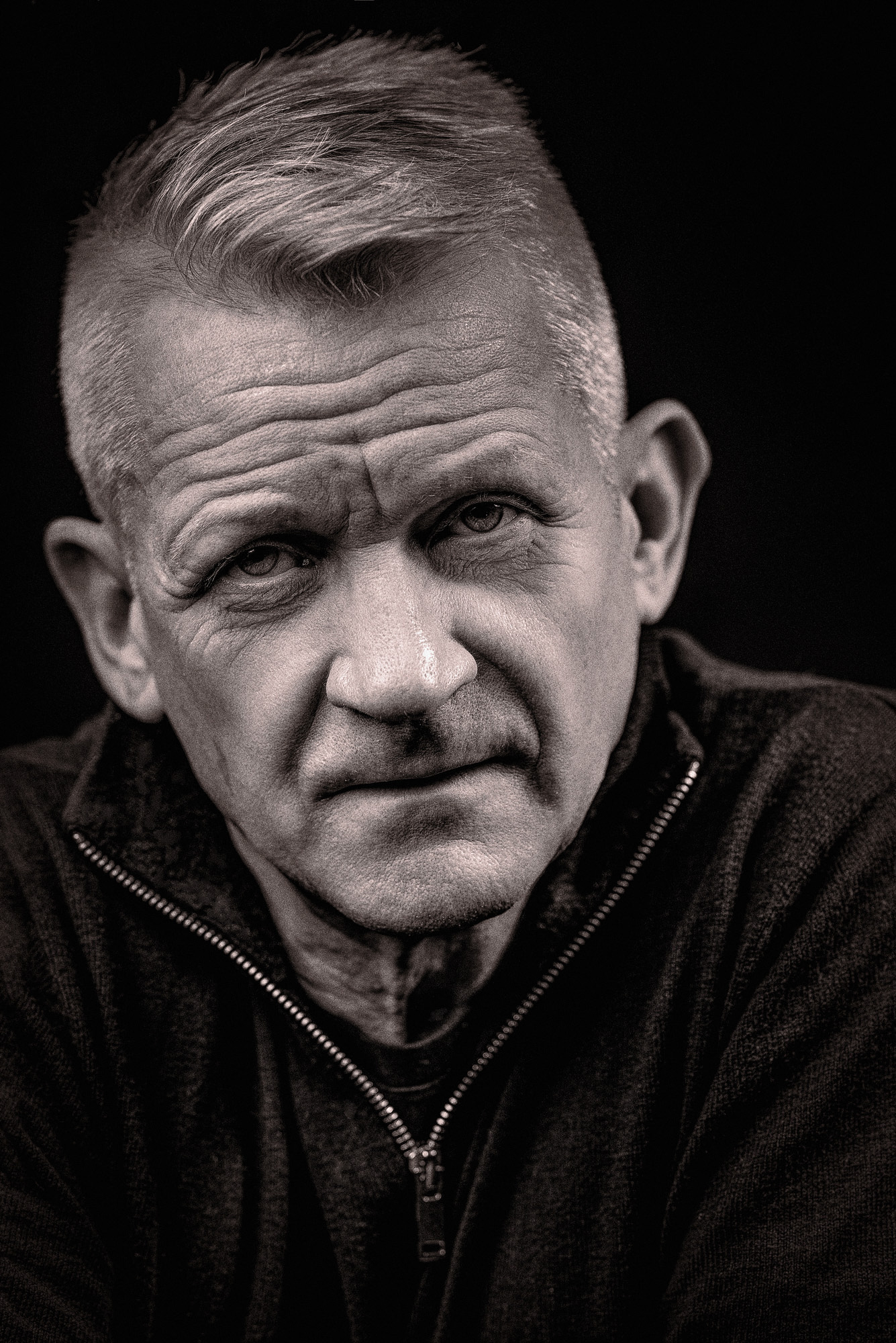
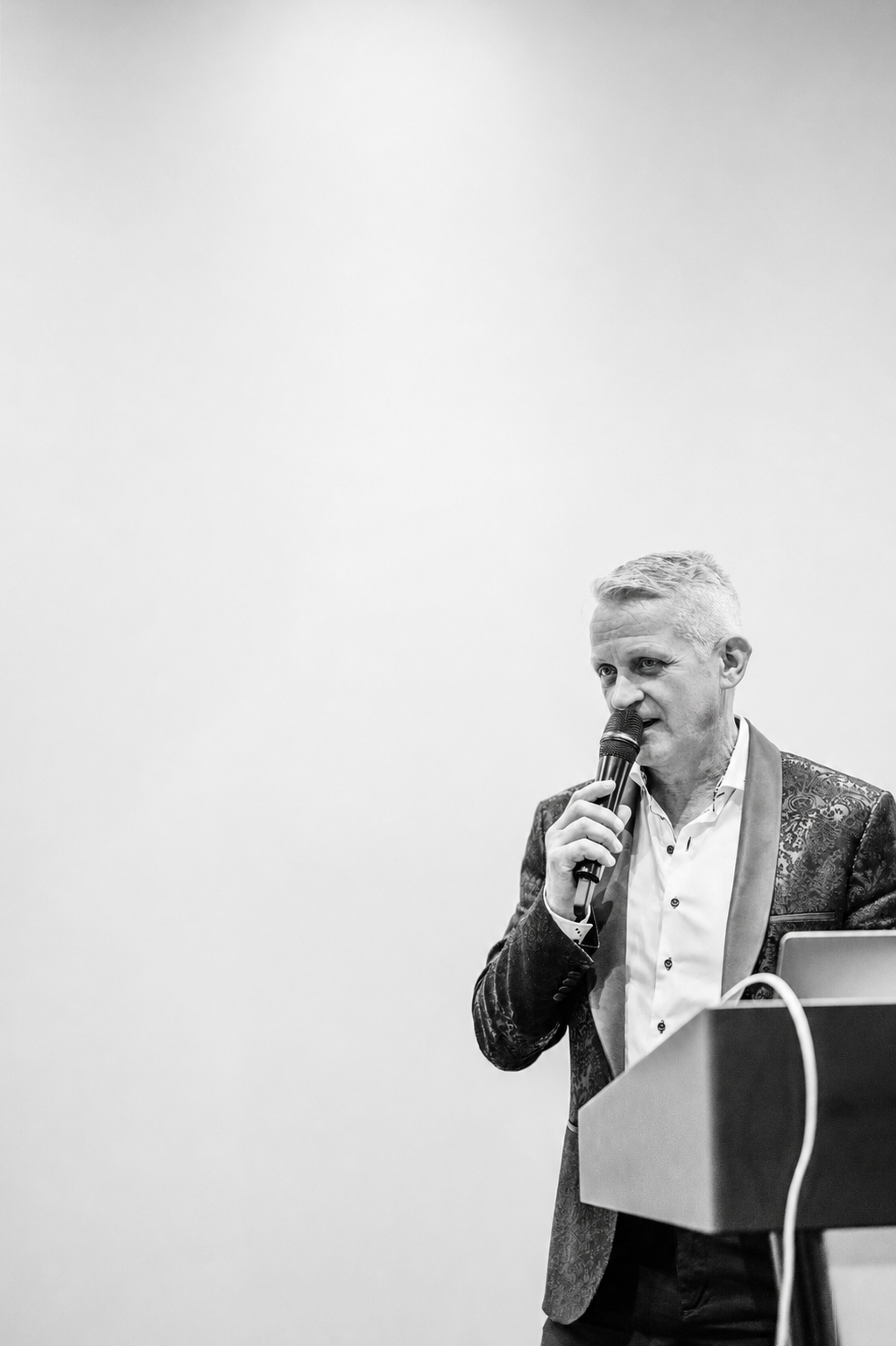
Twenty-five years inside the photography industry. One reason for doing this.
I have spent twenty-five years inside the UK and Irish photography industry, working directly with thousands of the country's best wedding and portrait photographers. I watched the same pattern, over and over.
Extraordinary talent. Undercharging by thousands. Working themselves into exhaustion. Quietly leaving the industry because the business side never made sense to them. Talented people doing the most meaningful work in the country, and being paid the worst for it.
Photographer Business Academy exists because that pattern is fixable. Pricing is fixable. Sales conversations are fixable. The systems that make a photography business sustainable are fixable. Most photographers were never taught any of it, because most of the people teaching photography learned the business by guessing.
I built PBA to combine deep photography industry knowledge with the pricing systems, sales strategy, and CRM automation that actually move the numbers. It is the framework I wish every photographer I have worked with over the last twenty-five years had been given on day one.
The call is how we find out whether it is right for you.
Jeremy Price
We're in launch phase. This is what's on record.
Photographer case studies are being filmed in Q2 2026. Until they're live, here is the background you can verify before booking the call.
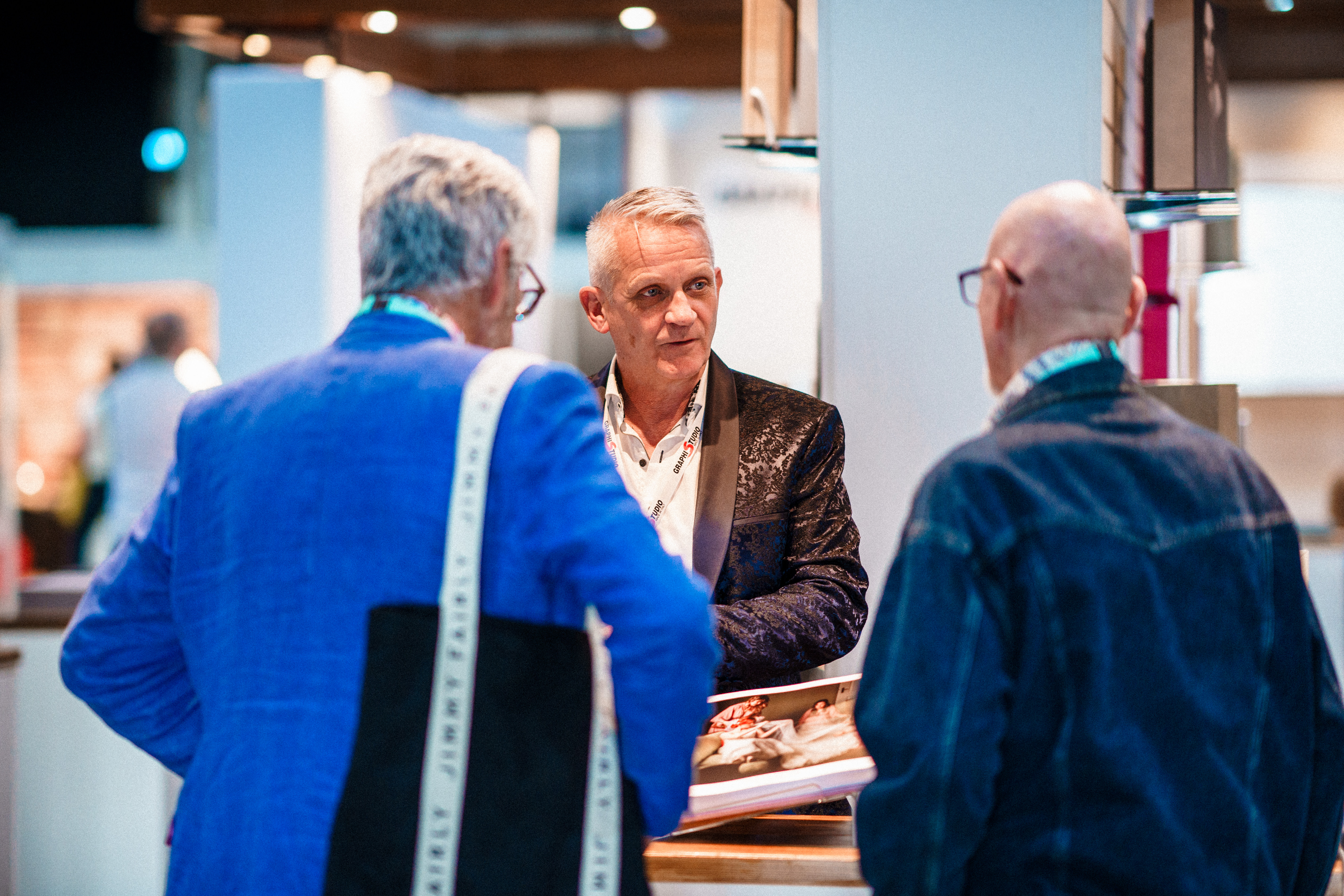
"After twenty-five years of watching extraordinary photographers undercharge, the question wasn't whether the business problem was real. It was whether anyone was going to fix it properly."
Three full photographer case studies in production. Published as they're recorded.
If what you've read already feels true, the next step is the call.
You can keep scrolling. Or you can apply now and read the rest while we review.
Apply For A CallThe call only works for the right photographers. Be honest with yourself.
This is for you if...
- You're a working photographer in the UK or Ireland. Wedding, portrait, or family. Taking on real client work.
- You've been at this long enough to know talent alone doesn't pay the bills.
- You're prepared to do the work. You don't want a hack, a template, or a "ten things successful photographers do" list.
- You can be honest about where the business is, financially, operationally, emotionally, without pretending it's better than it is.
- You're ready to invest in changing things. Not just thinking about it.
This isn't for you if...
- You're a hobbyist who isn't running a real business yet.
- You're hoping someone will give you a magic script that fixes everything without changing how you work.
- You think the problem is your clients, your market, or the industry, and you're not open to other explanations.
- You're looking for free advice you can skim and screenshot. The call isn't that.
- You're a commercial, editorial, or stock photographer. The framework is built for client-facing photographers selling experiences.
What it actually is. What it isn't.
There's a particular kind of sales call most coaches run. The high-pressure one. The script one. The one designed to extract a yes before you leave. This isn't that. To save us both time, here's exactly what to expect.
A diagnostic conversation
- A 45-minute call with Jeremy, not a junior setter.
- Specific questions about your business, your pricing, your clients.
- An honest read of what's actually causing the problem.
- A clear next step, whether or not that next step involves working with us.
- Frank conversation. Useful even if you never speak to us again.
A pitch in disguise
- Not a webinar. Not a group call. Not a "VSL with Q&A."
- Not a script-driven sales call with manufactured urgency.
- Not a free strategy session that's actually a forty-minute monologue.
- Not for everyone, which is why we ask you to apply.
- Not without a deliverable. You leave with a written summary, regardless.
Four steps. No surprises.
You Apply
A few quick questions. Under thirty seconds. Honest answers help us prepare properly.
We Review
If we can genuinely help, you'll get a link to book. If we can't, we'll tell you why, and point you somewhere useful.
The Call
Forty-five minutes with Jeremy. You bring your business. He brings twenty-five years of industry knowledge.
A Clear Decision
By the end of the call you'll know exactly what to do next, whether that involves us or not.
Thirty seconds. Honest answers.
If we can genuinely help, you'll get a calendar link to book a 45-minute call with Jeremy. If we can't, you'll get an honest reply explaining why, and a pointer to something more useful.
We do this because Jeremy's time is the most expensive thing in the business, and yours is more valuable than you're currently being paid for. Filtering before the call respects both.
Fill in the form below. Takes thirty seconds.
You leave the call with at least one thing you can implement this week. Or it costs us, not you.
By the end of the forty-five minutes, you will have at least one concrete change to your pricing, sales process, or client experience that you can put into practice within seven days. If you don't, we will send you a written summary of your business diagnosis at no charge, regardless of what we discuss.
We make this promise because we know what a useful diagnostic conversation looks like. We are not interested in wasting your time, and we are not interested in wasting ours.
Honest answers to fair questions.
We don't quote without context. Cost is discussed on the call, once we've understood your situation and confirmed there's a genuine fit. There are several ways photographers work with us, at different commitment levels. The right one depends on where you are. Quoting before that conversation would be guessing.
It's a diagnostic conversation. Jeremy will ask specific questions about your business, your pricing, your clients, and where you want to go. By the end you'll know what we'd recommend doing next, whether or not that involves working with us. Some photographers leave the call with a clear plan and never speak to us again. That's fine.
"My market won't pay" is almost always a positioning problem, not a market problem. There are photographers in every UK and Irish town charging two and three times the local average, with full diaries. The question is not whether your market will pay it. The question is whether the way you're presenting the work justifies it. That's exactly the kind of thing the call is built to diagnose.
Counter-intuitively, it's usually the opposite. Low prices attract the wrong leads. The clients who hire on price are the hardest to work with, the slowest to pay, and the least likely to come back. Premium pricing filters for the clients who value the work. Fewer enquiries, higher conversion, bigger sales, easier business. Jeremy can walk you through what that shift looks like for your specific market on the call.
If you're flat out and the numbers still aren't where you want them, that's the clearest signal possible that something is structurally wrong. Working harder is not going to fix it. The point of the call is to identify the one or two changes that free up time and lift revenue at the same time. If now genuinely isn't the right week, book the call for a fortnight from now. The problem will still be there.
Two reasons. First, Jeremy's calendar is genuinely limited. He runs the calls personally, not a junior setter. Second, the call is only useful if we can actually help, and we can't tell that from a name and an email address. The questions take under thirty seconds and make the call meaningfully better.
If you're not in a position to invest in changing how you run the business, this isn't the right call yet. We'd rather you save the slot until you are. That said, "not ready" sometimes means "not sure it would be worth it," which is a different question. If that's where you are, apply, and we'll have the conversation honestly.
Fair question. Most photography "business" training is built by photographers who learned business by guessing. Jeremy has spent twenty-five years inside the UK photography industry, working directly with thousands of the country's best photographers. The framework comes from real industry experience, not from another photographer's blog.
Within one business day. If your application is a clear fit, you'll get a calendar link to book the call. If it isn't a fit, you'll get an honest reply explaining why, and a pointer to a resource that might be more useful.
The framework is built around the UK and Irish market. Pricing, client culture, regulatory environment, supplier relationships. Photographers in other markets will find the principles applicable, but the specifics won't always translate cleanly. If you're based elsewhere and want to apply anyway, be upfront about it and we'll have an honest conversation about whether we're the right fit.
You can spend the next year doing the same thing. Or you can spend forty-five minutes finding out what to change.
If you're the right photographer, this is the most useful conversation you'll have this year. If you're not, we'll tell you. Either way, you'll know.
Apply For A Call